
Small rips and isolated tears qualify for straightforward pool screen repairs, while damaged framing, multiple broken panels, or storm-battered sections point toward full rescreening or replacement. Gulf Gate Aluminum, serving Sarasota, Bradenton, Venice, and Lakewood Ranch, provides free estimates so homeowners get an accurate, structural-based recommendation before committing to either option.
Key Takeaways
- Small rips and tears require easy repairs, but larger sections demand costly investments that won’t last long.
- Professional inspections prevent damage spread and reduce long-term costs when scheduling repairs early for pool cages.
- Florida weather and wind zone codes require engineered replacements that exceed basic repair capabilities for safety.
- Pool cage issues include torn screens, displaced panels, faulty doors, and frame creaking sounds requiring professional assessment.
What Should You Check Before Deciding?
Five checkpoints determine whether a pool enclosure needs a patch job or a full rebuild: screen condition, frame integrity, door function, hardware wear, and repeat problems. Southwest Florida homeowners who skip this inspection often pay twice. Once for a quick fix, then again months later for the replacement they postponed. Pool enclosures hold up well under normal conditions, but no structure is invincible. The aluminum and screening materials weaken steadily with age and sun exposure, even without a single storm event.
A thorough check covers more than the screen itself.
- Screens: Look for widespread tearing versus isolated holes.
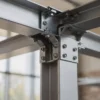
- Frame: Check for rust, bent panels, or sagging sections.
- Doors: Test whether they open, close, and latch properly.
- Hardware: Inspect screws, fasteners, and connectors for corrosion.
- Repeat issues: Note whether the same spot has failed more than once.
How do homeowners know if it’s a repair or a full replacement?
The decision comes down to how many of the five checkpoints show damage. How often problems recur in the same area. A single torn panel with a solid frame usually points to pool cage repair. Widespread frame corrosion, repeated failures, or doors that no longer seal properly signal that pool cage replacement delivers better long-term value.
Is a professional inspection worth scheduling?
Yes — trained eyes catch structural weaknesses that go unnoticed from ground level. Gulf Gate Aluminum serves homeowners throughout Sarasota, Bradenton, Venice, and Lakewood Ranch and provides free estimates with fast turnaround. That assessment gives homeowners a clear, no-pressure starting point before committing to either option.
When Does Minor Pool Cage Repair Make Sense?
Small rips, loose fasteners, and a few sagging panels signal a job for pool cage repair, not full replacement. Southwest Florida homeowners facing these minor issues typically face a manageable, affordable fix rather than a major investment. Waiting on small problems, though, turns cheap fixes into costly ones as damage spreads across the frame.
Screen repairs generally qualify as small jobs. Patching a few tears or replacing a torn panel takes little time. Even less money compared to rebuilding entire sections of an enclosure. Larger repairs, by contrast, rarely make financial sense since they tend not to last, leaving homeowners paying twice for the same problem.
How does timing affect repair costs?
Addressing minor damage promptly keeps a pool cage in solid condition and protects a homeowner’s wallet over time. Delayed repairs allow small issues to spread into structural problems that cost far more to correct later.
What does a typical minor repair fix?
Refurbishment work targets the parts of an enclosure most likely to fail first. A qualified crew replaces loose, rusted, or failing fasteners with hardware built to last, restoring both strength and appearance to the structure.
Screens deserve equal attention. Damaged or aging screening reduces airflow, blocks outdoor views, and lets insects slip inside the home. A nuisance most Florida homeowners want to avoid. Worn screens get swapped for durable materials engineered specifically for Florida’s heat, humidity, and storm exposure.
Minor repair makes sense when damage stays isolated to these smaller elements:
- Small tears or holes in screen panels
- Loose, rusted, or corroded fasteners
- Isolated sagging in one or two panels
- Reduced airflow or insect entry from aging screens
Once damage moves beyond these limited fixes, replacement becomes the smarter long-term decision.
What Signs Mean It’s Time to Replace?
Large sections of torn screen, sagging panels, and corroded frame joints signal that a pool cage has moved past routine maintenance. Small rips and isolated tears remain simple, affordable fixes, but damage spreading across entire panels turns a basic job into a far larger investment. At that point, patching no longer makes financial sense.
Homeowners facing widespread damage often assume repair is the cheaper route, yet that assumption doesn’t always hold. Depending on how extensive the wear or storm impact is, pool cage replacement frequently serves the property better than a series of patch jobs that won’t last. Repeated repairs on a structure nearing the end of its lifespan tend to fail again within a season or two.
How Does a Homeowner Know Repair Won’t Be Enough?
Look at how much of the enclosure is affected, not just how it looks from the driveway. A cracked support beam, multiple loose panels, or screens pulling away from the frame in several spots point toward structural fatigue that isolated repairs can’t fix.
Common signs that favor full replacement over a simple pool cage repair include:
- Frame corrosion or rust visible at multiple joints
- Screens torn across three or more panels
- Doors that no longer close or latch properly
- Visible sagging or bowing in the roof structure
- Repeated repairs to the same section within a year
What Happens if Damage Goes Unaddressed?
Delaying action lets small problems compound quickly. Waiting until damage spreads raises the risk of structural failure and typically drives up long-term repair costs.
Gulf Gate Aluminum’s team handles both ends of that spectrum, from full rescreening and structural replacements to smaller screen panel repairs, giving Southwest Florida homeowners a clear path forward once the warning signs appear.
How Do You Decide Repair or Replace?
A structured inspection process, not guesswork, separates a fixable pool cage from one that needs full replacement. Southwest Florida homeowners who spot torn screens, corroded fasteners, or bent panels after storm season face a real financial choice. Delaying that decision often turns a manageable repair into a costlier rebuild.
What Should Homeowners Check First?
Warning signs rarely appear alone, so a full walk-around matters before calling a contractor. Once those issues surface, scheduling a professional inspection is the recommended next step rather than patching sections piecemeal.
- Inspect screens for tears, sagging, or discoloration across multiple panels.
- Check aluminum framing for rust, pitting, or visible bends.
- Test doors and latches for sticking, gaps, or misalignment.
- Note any creaking or shifting in the frame during wind.
- Schedule a professional evaluation once two or more issues appear.
Is Repair Ever the Right Call?
Yes, when damage stays isolated to a single screen panel or minor hardware issue, pool cage repair remains the practical option. Widespread frame corrosion or repeated failures across sections point toward pool cage replacement instead.
Gulf Gate Aluminum builds its entire service model around this decision point. High-quality rescreening work at competitive prices means homeowners get an honest assessment rather than an upsell. Property owners can describe exactly how they want their outdoor space rebuilt. The crew executes that vision from start to finish.
| Situation | Recommended Path |
|---|---|
| Single torn screen, sound frame | Repair |
| Multiple sections damaged, frame intact | Rescreen |
| Rusted or bent framing, recurring failures | Replace |
The team is positioned as a trusted resource for pool screen, pool cage, and outdoor living projects throughout the region. Work gets delivered on schedule, with quality output that holds up against Florida’s weather.
What Mistakes Should You Avoid Along the Way?
Homeowners lose money by treating every enclosure issue the same way. Ignoring a structural problem while patching screens repeatedly wastes both time and budget. The frame itself sometimes carries the real damage, and no amount of screen patching fixes a bent or corroded support.
The most common misstep is mixing up wear items with structural failures. Some enclosure problems are wear items that homeowners should replace on a routine schedule. Others signal a compromised frame that needs full pool cage replacement rather than a patch job.
Is Cleaning a Substitute for Repair?
No. Cleaning restores appearance, not structural integrity. Professional power washing safely removes years of dirt, mildew, mold, and pollen buildup, giving the enclosure a fresh look, but it does nothing for cracked frames or loose fasteners underneath.
Who Should Homeowners Trust With the Decision?
A local Sarasota-based crew that understands Southwest Florida’s storms and humidity makes the call more reliable. Gulf Gate Aluminum, headquartered in Sarasota, brings that regional familiarity to every inspection.
Avoid these missteps:
- Assuming every tear needs pool cage repair instead of checking the frame
- Skipping a professional inspection after visible sagging or rust
- Delaying decisions until a storm forces an emergency fix
Customers consistently rate the team highly on Yelp and Google.
FAQ
What determines whether a pool cage needs repair or replacement?
The decision depends on how many of the five checkpoints—screens, frame, doors, hardware, and repeat issues—show damage. Isolated tears with a solid frame favor repair; widespread corrosion or recurring failures favor replacement.
When should homeowners schedule a professional inspection?
Gulf Gate Aluminum recommends scheduling an inspection as soon as issues like torn screens, displaced panels, faulty doors, or frame creaking appear. Early inspections catch structural weaknesses and prevent damage from spreading.
What happens if minor pool cage damage goes unaddressed?
Delaying small repairs allows damage to spread across the frame, turning an affordable fix into a costly replacement. Homeowners who postpone repairs often end up paying twice for the same problem.