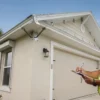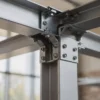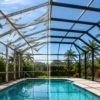

Proper pool cage cleaning starts at the top and works downward. Homeowners rinse frames and screens with a garden hose, then scrub gently using warm water with mild dish soap and a soft brush. For mold or mildew, equal parts white vinegar and water applied to affected areas lifts buildup without harming screens.
Key Takeaways
- Start at the top and work downward when rinsing screens with your hose to loosen debris effectively.
- Use mild dish soap with warm water and soft brushes to gently scrub screens without causing damage.
- Apply two to three percent solution for stubborn mold and algae buildup on pool enclosure screens.
- Gulf Gate Aluminum in Sarasota, FL provides professional pool cage solutions and maintenance guidance for homeowners.
What do you need before starting?
Proper pool cage maintenance starts with gathering the right tools before a single drop of water touches the screens. Skipping this step wastes time and risks damaging the mesh.
What tools do homeowners need for pool cage cleaning?
Three core items cover most cleaning jobs:
- Garden hose — Use a hose to spray down screens, frames, and tracks before scrubbing. Starting at the top and working downward loosens dirt, pollen, and insects trapped in the mesh.
- Soft-bristle brush or broom — A soft brush protects screen fibers while still removing buildup. Gently work from top to bottom in small sections to avoid tearing the material.
- Cleaning bucket — A standard bucket holds the scrubbing solution and keeps the workflow organized.
What cleaning solution works best on pool screens?
Warm water combined with a few drops of mild dish soap is the recommended cleaning solution for pool screen enclosures. cite-1 The mixture is gentle enough to protect screen fibers yet effective against everyday grime and pollen. Harsh chemicals risk degrading the mesh and the frame finish, so mild soap remains the safer choice.
Does location affect what homeowners need?
Homeowners across Sarasota communities — including Bradenton, Venice. Lakewood Ranch — deal with Florida’s humidity, pollen, and organic debris year-round. cite-2 Gulf Gate Aluminum serves all of these communities and recommends having every tool ready before starting. The cleaning process moves efficiently from rinse to scrub to final rinse without interruption.
How do you remove loose debris safely?
Removing loose debris from a pool cage starts with a top-to-bottom approach using a soft brush and a garden hose. Skipping this step allows leaves and organic matter to accumulate on frames. Screens, fueling mold growth and leaving the enclosure looking dingy and aged.
Prerequisites: Gather a soft-bristle brush, a garden hose with an adjustable nozzle, and access to a water source before beginning.
- Brush frames and screens from top to bottom. Work in small sections, applying gentle pressure. Pay particular attention near upper screen panels, where debris tends to cling and is harder to dislodge without causing damage.
- Rinse the entire enclosure with a hose. Start at the top and work downward, spraying screens, frames, and tracks thoroughly. This loosens embedded dirt, pollen, and insects before any scrubbing begins.
- Inspect for remaining debris. After rinsing, check each panel for clinging organic material. Repeat the brush-and-rinse sequence on any sections that still show buildup.
Why does debris removal matter before washing?
Leaves and debris left on screens trap moisture against the mesh and frame surfaces. That trapped moisture accelerates mold development and causes screens to appear older and darker than they actually are.
When should homeowners call a professional for debris removal?
Enclosures with heavy buildup, significant mold staining, or hard-to-reach upper sections benefit from professional attention. Pool cage maintenance performed by certified experts. Such as the team handling Sarasota homeowners rely on Gulf Gate Aluminum. Includes pressure washing as part of a full screen maintenance and refurbishment service.
How do you scrub screens without causing damage?
Scrubbing pool screens safely requires a soft brush, mild soapy water, and controlled pressure applied in small sections. cite-1 Pool screens are durable. Applying too much force during scrubbing tears the mesh. A mistake that turns a simple cleaning task into a costly repair.
Prerequisites: Rinse the entire enclosure with a hose before scrubbing. cite-1 Starting with a pre-rinse loosens surface dirt, pollen, and debris, making the scrubbing phase more effective and less abrasive on the screen material.
Step-by-step scrubbing process:
- Fill a bucket with warm water and a few drops of mild dish soap.
- Dip a soft brush or broom into the soapy water — never use stiff-bristle tools on screen mesh.
- Work in small sections, scrubbing gently across both screens and frames.
- Maintain light pressure throughout; pool screens are strong but will tear under excessive force.
- Rinse each completed section before moving to the next to prevent soap residue from drying on the mesh.
What is the safest way to remove mold from a pool cage screen?
Mold and mildew on pool cage screens respond well to a solution of equal parts white vinegar and water. Homeowners should spray the affected area, allow the solution to sit for five to ten minutes, then scrub gently and rinse thoroughly. This method lifts biological growth without the chemical aggression that damages screen fibers or frame paint.
Can strong cleaning chemicals harm pool cage screens?
Cleaning solutions with high concentrations of sodium hypochlorite damage both screens and painted frames. cite-3 Professional guidance consistently points to low-concentration formulas. High-strength chemicals corrode materials that proper pool cage maintenance is meant to preserve.
Gulf Gate Aluminum, a trusted name in Sarasota homeowners rely on, specializes in rescreening and structural replacements— services that become necessary precisely when cleaning missteps cause avoidable screen damage.
How do you rinse and finish the enclosure properly?
Proper rinsing removes every trace of soap and vinegar from the screens, frames, and tracks after scrubbing. Leftover residue attracts additional dirt, which defeats the purpose of a thorough pool cage maintenance cleaning session.
What is the correct rinsing technique for pool screens?
Start at the top of the enclosure and work downward. A garden hose works well for most residential enclosures. Homeowners who use a pressure washer must select the right nozzle. A low-pressure 15- or 25-degree nozzle protects the screen mesh from damage. A zero-degree nozzle concentrates too much force and risks tearing the material. Rinse both the interior and exterior faces of every screen panel to flush away all cleaning solutions.
Follow these steps to complete the rinse-and-finish process correctly:
- Rinse the full enclosure from top to bottom using a hose or a pressure washer set to a low-pressure 15- or 25-degree nozzle.
- Inspect every panel for remaining soap film or vinegar residue, paying close attention to corners where solution pools.
- Re-rinse any problem areas until the water runs completely clear.
- Clean tracks and hardware using a damp cloth or small brush to remove grime from the small details that a hose stream misses.
- Allow the enclosure to air-dry before assessing the results in full daylight.
When should homeowners call a professional instead?
Some enclosures — particularly older structures in Sarasota communities. Accumulate stubborn mold, oxidized frames, or damaged hardware that routine rinsing cannot address. Gulf Gate Aluminum offers professional pool cage refurbishment. Pressure washing services for homeowners who want reliable, lasting results without the risk of accidental screen damage. Scheduling a professional service preserves both the appearance and the structural integrity of the enclosure long-term.
When should you call a professional instead?
Homeowners should call a professional when screen damage extends beyond surface dirt or when structural components show visible wear. Neglected pool cage maintenance problems escalate quickly. A dirty, deteriorating cage grows unattractive, appears older than its age, and causes screen material to break down over time. cite-4
Routine cleaning handles pollen, mold, and debris. Torn panels, bent frames, and compromised structural sections are a different matter entirely. Recognizing that boundary protects the investment.
What types of damage require professional repair?
Certain conditions signal that DIY cleaning has reached its limit:
- Identify torn or punctured screen panels — even small holes expand under Florida wind and rain pressure.
- Inspect frame joints and structural members for bending, corrosion, or separation from anchor points.
- Check door hardware and tracks for misalignment that prevents a secure close.
- Note any sagging screen sections — sagging indicates tension failure, not a cleaning issue.
When any of these conditions are present, professional intervention is the appropriate next step rather than a scrub brush.
How does Gulf Gate Aluminum handle screen and cage repairs?
Gulf Gate Aluminum, based in Sarasota, FL, handles everything from individual screen panel replacements to complete pool cage rescreening and full structural rebuilds. The team serves homeowners throughout Southwest Florida, covering communities across the broader Sarasota region. Gulf Gate Aluminum provides free estimates that are delivered promptly, and the company completes projects faster than most homeowners expect. High ratings across customer review platforms reflect consistent satisfaction with both the quality of workmanship and the reliability of the service process.
Homeowners dealing with damage beyond routine cleaning can contact Gulf Gate Aluminum directly to schedule a free assessment. Get the project moving without delay.
Maintaining your pool cage properly extends its lifespan and preserves the beauty of your outdoor space. By following these cleaning practices—using gentle techniques, appropriate materials. Regular maintenance schedules—you protect your investment while ensuring a safe, inviting environment for your family. When professional assistance becomes necessary, Gulf Gate Aluminum stands ready to help with expert guidance. Comprehensive maintenance solutions throughout Southwest Florida.
FAQ
What cleaning solution works best on pool screens?
Warm water combined with a few drops of mild dish soap protects screen fibers while removing everyday grime and pollen. Harsh chemicals risk degrading the mesh and frame finish.
How do you remove loose debris without damaging the screens?
Use a soft-bristle brush and garden hose, working from top to bottom in small sections with gentle pressure. Rinse thoroughly to loosen embedded dirt, pollen, and insects before scrubbing.
How do you treat mold or mildew on pool cage screens?
Apply equal parts white vinegar and water directly to affected areas to elevator mold. Mildew buildup without harming the screens.