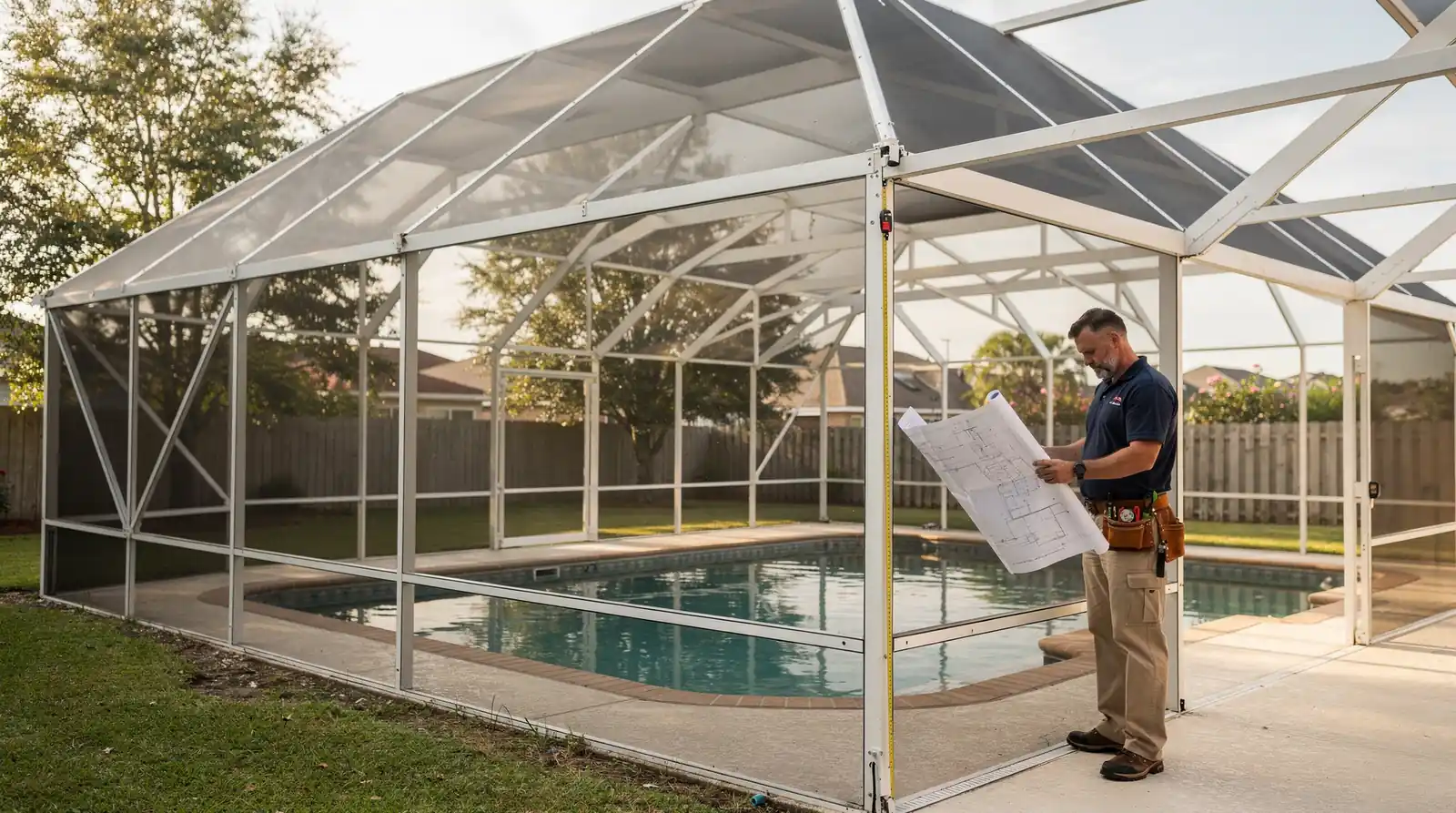
Quick answer: After a summer away, walk your pool cage before you use it. Check every screen panel for tears, popped spline and sagging. Look for loose, missing or rusted screws and for corrosion at the post bases. Make sure each door closes and latches on its own. Clear the gutter where the cage meets the house, and look for mildew on the frame and screens. Fix small problems now, before winter’s cold fronts and the busy season.
Welcome back. Whether you summer up north or spend the season traveling, your pool cage stayed home through the heat, the humidity and the afternoon storms. Atlantic hurricane season runs through November 30, so for some of you it isn’t even officially over yet.
Before the first swim or the first dinner on the lanai, give the enclosure a proper once-over. It takes about 15 minutes, and it can turn a surprise repair into a planned one.
1. Walk the Screens First
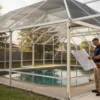
Start outside the cage and walk the whole perimeter, then repeat from the inside. Look at the panels against the sky. Damage is easier to see that way.
- Tears and holes: Check low panels near doors, planters and the grill area first. That’s where most damage happens.
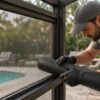
- Popped spline: The spline is the rubber cord that locks the screen into the frame’s channel. In summer heat it can shrink, harden or pop out, leaving a corner of screen flapping.
- Sagging or rippling: A screen that’s lost its tension is often near the end of its life.
- Fading and brittleness: If the mesh feels stiff or crackles when you press it gently, it won’t hold up much longer.
If you’re seeing several of these at once, our post on signs it’s time to change your screens will help you decide between spot repairs and a full rescreen.
2. Check Screws, Bases and the Frame
The frame is what keeps the enclosure standing in a strong wind, so this part matters most.
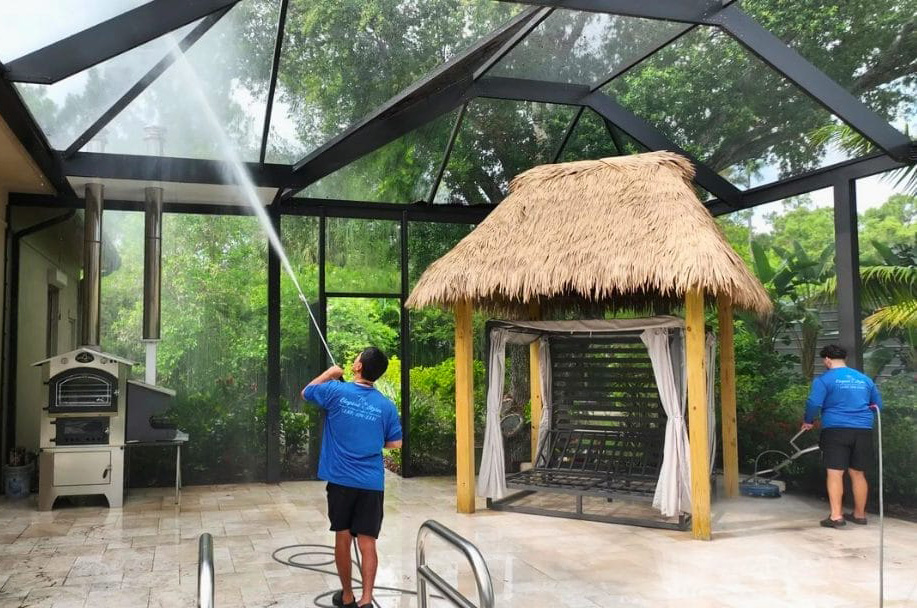
- Screws and fasteners: Look for screws that are missing, backed out or streaked with rust. Older cages may still have their original hardware, which can corrode over time in Florida humidity and coastal air.
- Post bases and anchors: White, powdery buildup or pitting where the posts meet the deck is worth a closer look, especially on Siesta Key, Longboat Key and other homes near the water.
- Bent or dented members: A beam knocked by a falling branch or a summer storm can weaken the whole bay.
- Cables: If your cage has diagonal cable bracing, loose or rusty cables need attention.
Replacing worn or rusted fasteners with stainless steel hardware can help extend the life of an enclosure. That’s part of our re-screw and refurbishment service.
3. Look for Mildew, Mold and Uninvited Guests
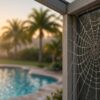
A Southwest Florida summer is ideal for mildew. Expect some green or gray film on shaded sides of the frame, the screens and the deck. You may also find spider webs and egg sacs tucked into corners.
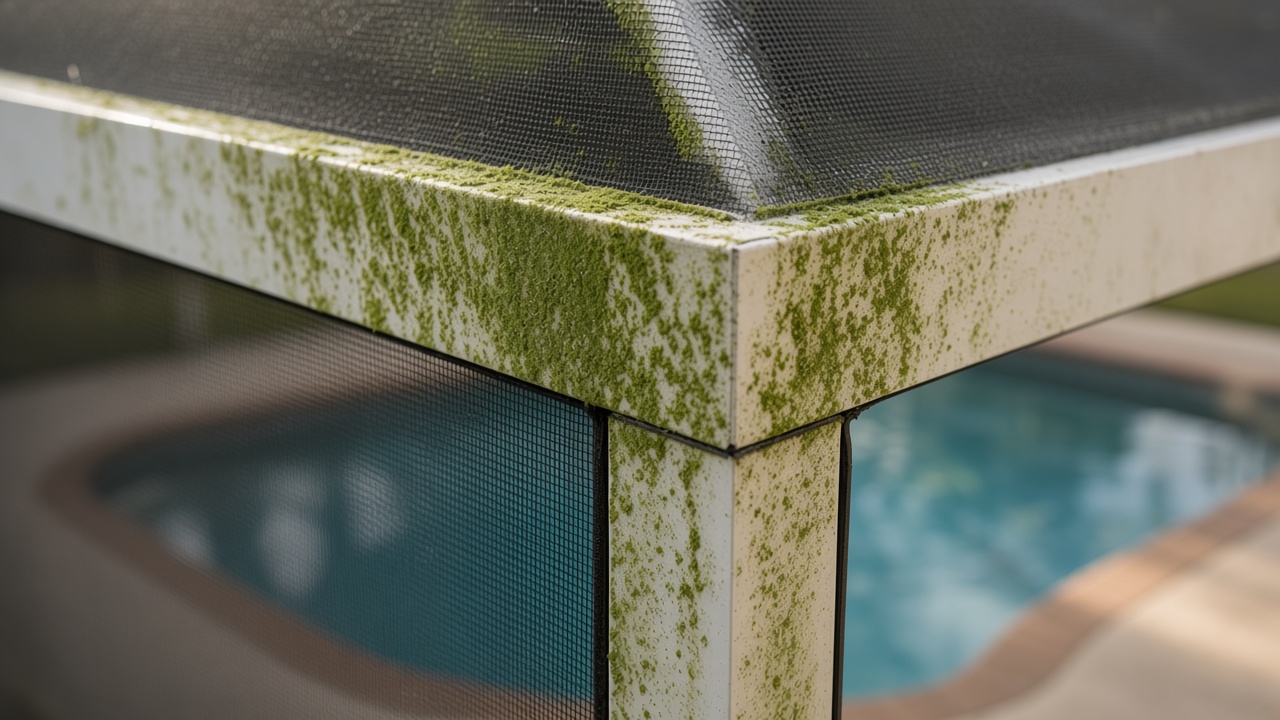
- Gentle cleaning with a soft brush and mild cleaner handles light buildup. Our guide on how to clean green mold from pool screen enclosures has the details.
- For spiders, see how to get spiders out of the pool cage.
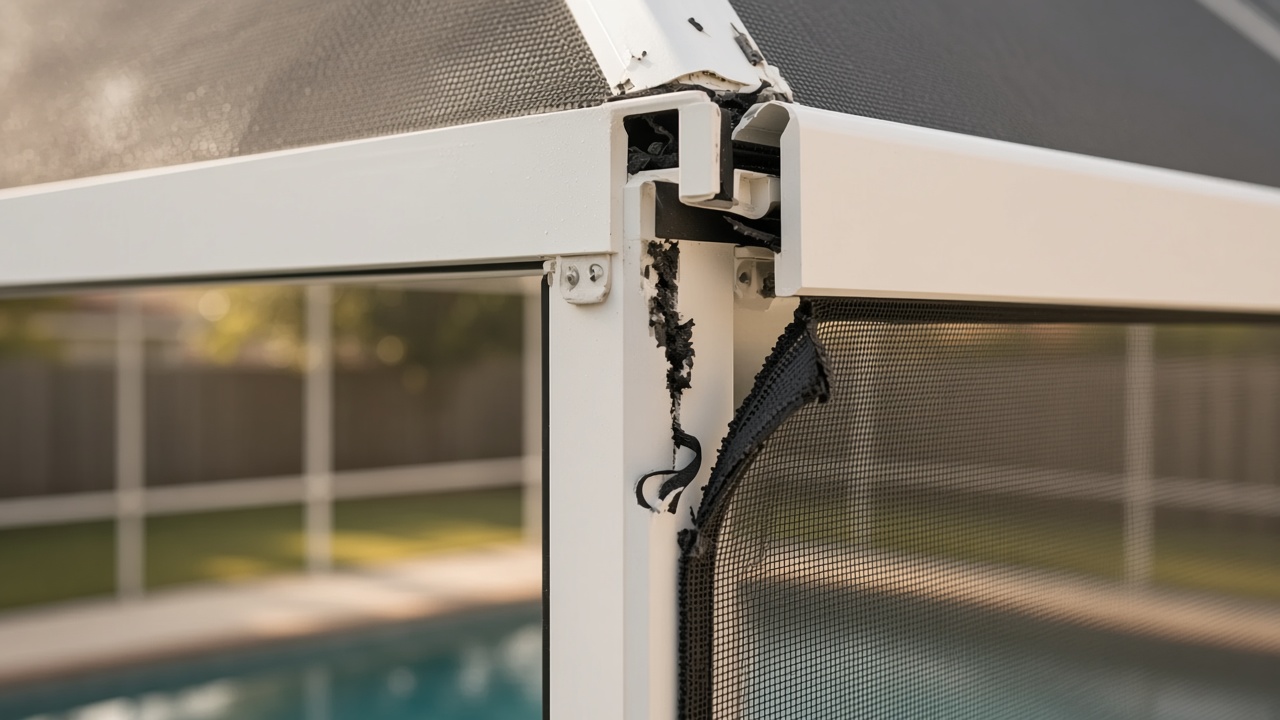
- Heavy buildup is a job for professional pressure washing. The right pressure cleans without damaging the screens.
4. Test Every Door
Doors take the most wear of any part of the enclosure, and they’re easy to overlook.
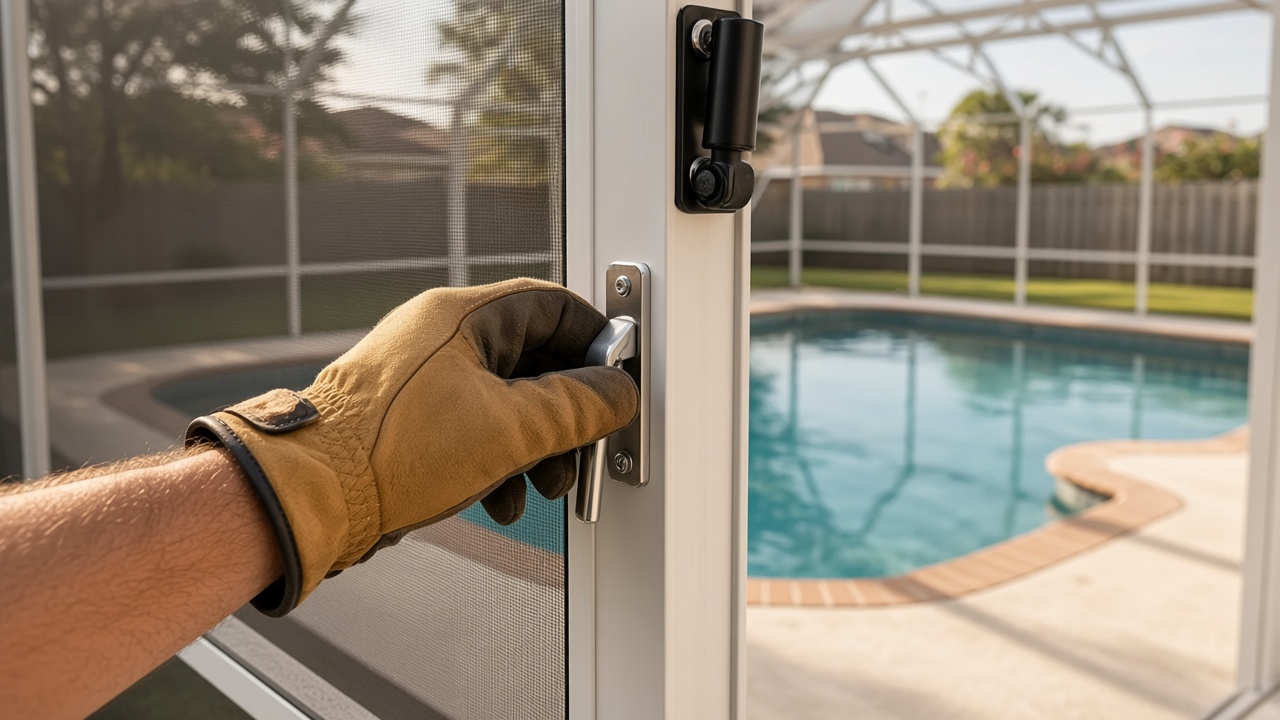
- Open each door fully and let go. It should swing shut on its own.
- It should latch with an audible click, without a push.
- Check the hinges and handle for looseness or corrosion.
- Look at the kick plate and lower panel for tears.
If grandchildren will visit this season, a door that closes and latches by itself matters even more when the cage serves as the pool barrier. Closers, latches, hinges, kick plates and handles can all be replaced.
5. Clear the Gutter at the House
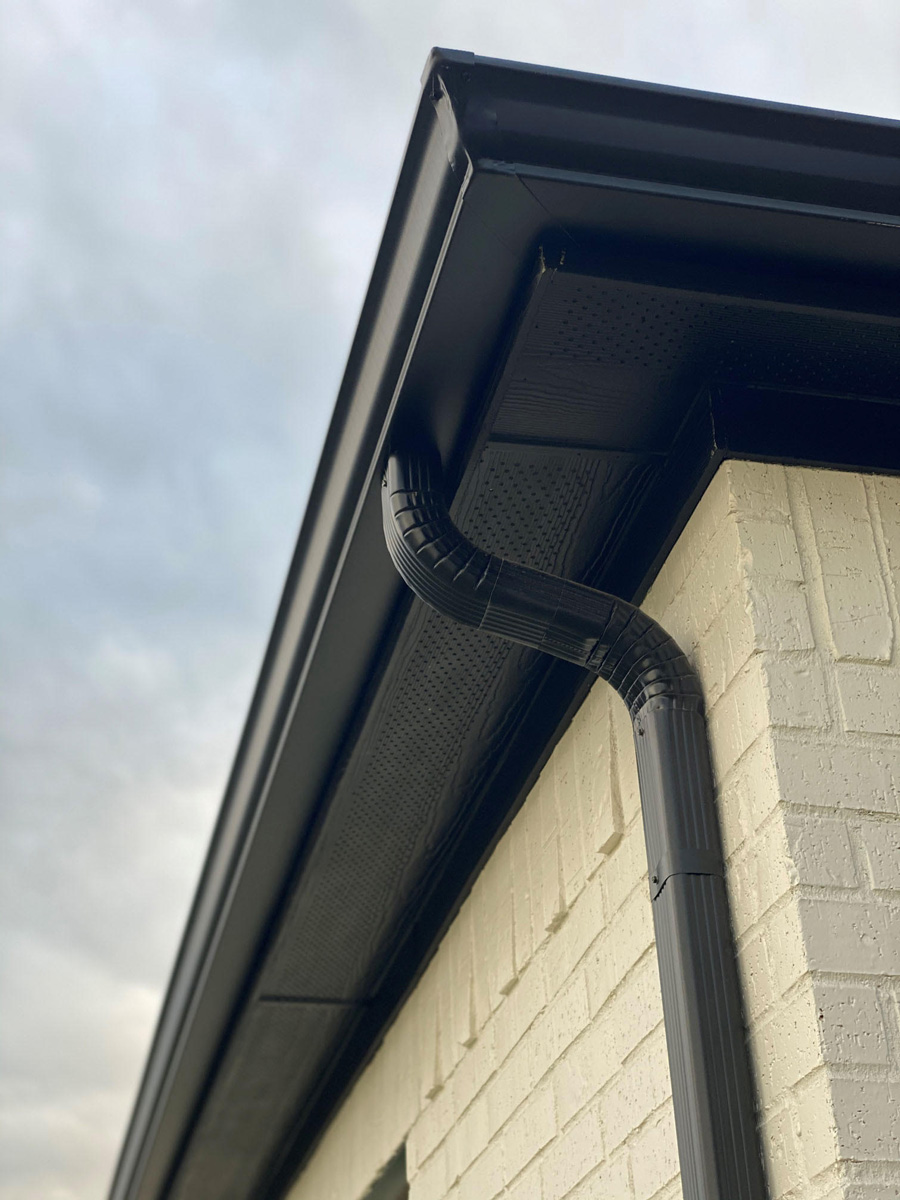
Most pool cages attach to the house at a large gutter, often called a super gutter. Over the summer it can fill with leaves, palm debris and grit. When it clogs, water overflows onto the deck and sits against the connection, which isn’t good for the gutter or the fasteners. Clear it out, and make sure the downspouts drain.
Snowbird Return Checklist at a Glance
| Check | What to look for | DIY or call a pro? |
|---|---|---|
| Screen panels | Tears, holes, popped spline, sagging, brittleness | Small spline fix: DIY. Torn or brittle panels: pro |
| Screws and fasteners | Missing, loose or rusted screws | Pro (re-screw with stainless hardware) |
| Post bases and anchors | Pitting, white powder, movement | Pro |
| Beams and cables | Bends, dents, loose or rusty cables | Pro |
| Doors | Won’t close or latch; loose hinges; torn kick panel | Simple adjustments: DIY. Closers and latches: pro |
| Super gutter and downspouts | Leaves, debris, overflow stains | DIY if safe from the ground; otherwise pro |
| Mildew and webs | Green or gray film, spider webs | Light: DIY. Heavy: professional pressure wash |
Why It’s Worth Fixing Things Now
Two reasons not to wait until spring:
This winter may be wetter and stormier than usual. The National Weather Service office in Tampa Bay says strong El Niño conditions are favored to continue this winter. El Niño winters here tend to bring above-normal rainfall and more severe weather as cold fronts move through West Central and Southwest Florida (NWS Tampa Bay Winter Outlook 2026-27). A loose panel or a missing screw is easier to fix before a gusty front than after it.
You’re here to see it. Getting work done while you’re in town means you can walk the job, approve the screen color and check the door yourself. Many seasonal residents return at the same time, so schedules can fill up through the winter.
Frequently Asked Questions
Can I fix popped spline myself?
A short loose section can often be rolled back in with an inexpensive spline tool. If the spline is brittle, keeps popping out, or the screen sags, the panel usually needs replacing.
How often does a pool cage need rescreening?
Typically every 8 to 15 years, depending on sun, storms and wear. Tears, sagging, brittle mesh and fading are the signs it’s time. Our post on the 7 signs your pool cage needs professional repair covers the bigger red flags.
Is it normal to find mildew on my pool cage after the summer?
Yes. Heat, humidity and shade make mildew common on frames and screens. Gentle cleaning or professional pressure washing removes it.
I’m only here for the winter. Can someone check my cage every year?
Yes. Our Maintenance Plan is $199 per year and covers an annual check of the structure, doors and hardware, screws and fasteners, wind bracing, and gutters and drainage.
Which areas do you serve?
We serve Sarasota, Bradenton, Venice, Lakewood Ranch, Siesta Key, Longboat Key, Nokomis, Osprey and surrounding communities.
Hosting for the holidays? See our holiday-ready lanai checklist.
Settle In With One Less Thing to Worry About
Take your walk-around photos and send them our way. We’ll tell you honestly what needs fixing now and what can wait. Call (941) 306-3448 (Mon-Fri, 8 a.m.-5 p.m.) or request a free estimate.