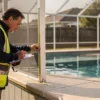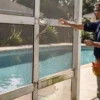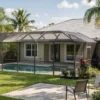
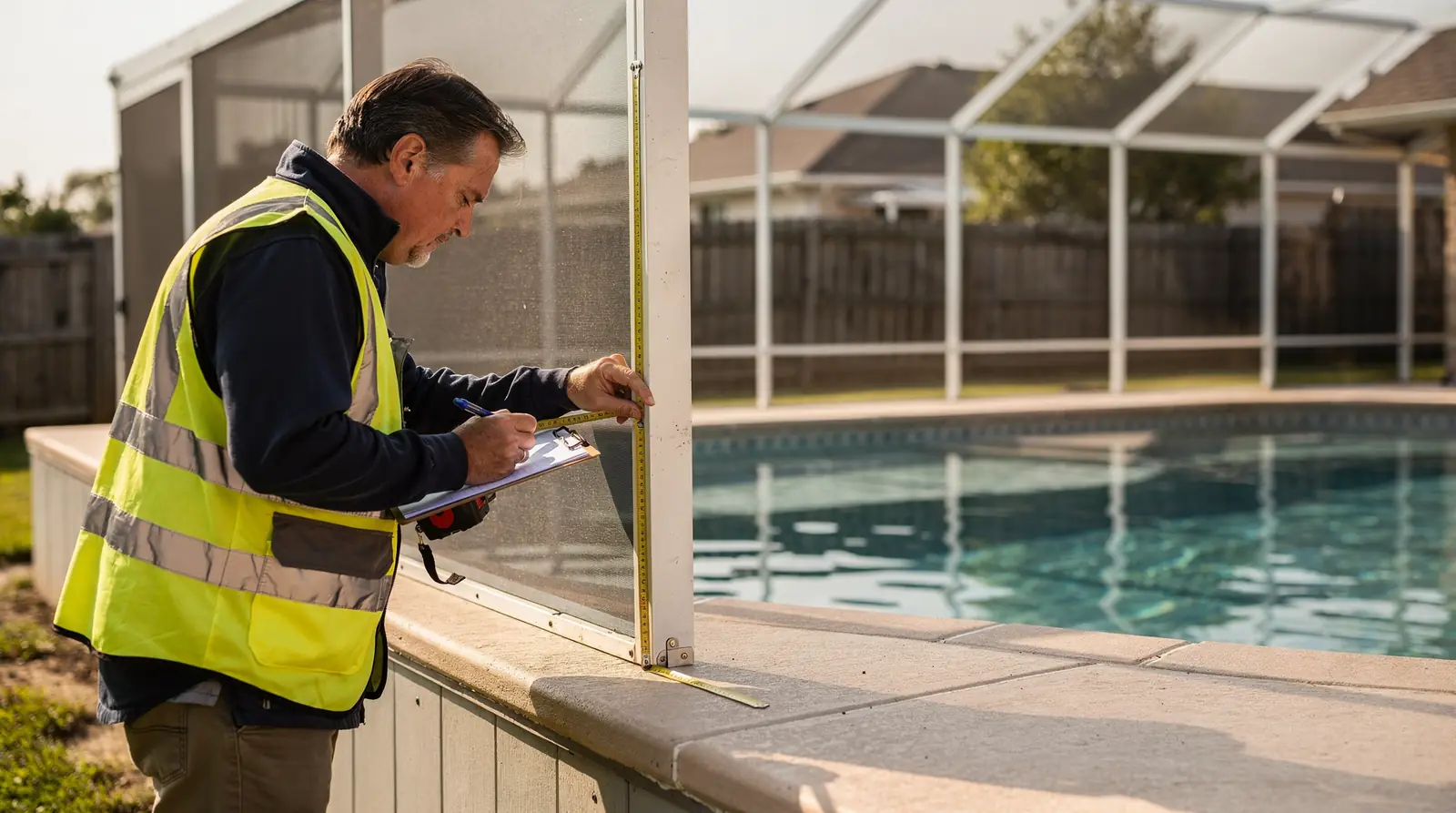
Florida building codes require permits for most new pool cage construction and major structural replacements, with requirements varying by county across Sarasota, Manatee, and Charlotte. Gulf Gate Aluminum, serving Southwest Florida homeowners, handles permit documentation and inspection coordination, ensuring every screen enclosure project meets local code before installation begins.
Key Takeaways
- Florida requires permits for most residential pool cage installations; requirements vary by local municipality.
- Homeowners must submit 2 original signed/sealed permit sets when applying in person for approval.
- Required documentation includes an Application for Construction Permit, Affidavit for Accessory Structures, and Notice of Commencement.
- Gulf Gate Aluminum helps homeowners navigate permit requirements without handling the complex process alone.
Do You Need a Pool Cage Permit in Florida?
Yes, most Florida homeowners need a permit before a new pool enclosure goes up or an existing one gets rebuilt. Skipping this step risks failed inspections, stalled projects, and costly rework down the road. Requirements shift depending on the scope of the project and the county or city reviewing it. No two permit files look exactly alike.
New construction and major structural replacements draw the closest scrutiny. Local building departments treat an enclosure as part of the home itself, not a standalone add-on, which is why review is required before work begins. A pool cage builder familiar with Southwest Florida codes can flag these requirements early. Materials get ordered or crews get scheduled.
Does Every Pool Enclosure Project Require a Permit?
Most do, but not every repair triggers full review. Small screen patches or panel swaps sometimes fall outside permit rules. Full pool cage installation or structural rebuilds almost always require one. The safest approach is confirming scope with the local building department before work starts.
What Happens If a Homeowner Skips the Permit?
Unpermitted work creates problems at resale, since buyers and insurers often request permit history. Inspections can also force homeowners to remove or redo work that was never approved. Projects move faster and safer when the paperwork is handled upfront rather than chased down later.
Because rules vary by county, Manatee, Sarasota, and Charlotte homeowners benefit from guidance built on local experience. Gulf Gate Aluminum serves homeowners across Sarasota, Bradenton, Venice, and Lakewood Ranch and helps homeowners navigate documentation before the first post goes into the ground.
What Does Florida’s Pool Cage Permit Process Involve?
Permitting for a pool enclosure runs through the local building department, not a single statewide office. Florida operates under one statewide building code, but each municipality reviews and approves pool cage applications on its own. That structure means two homeowners in different counties can follow the same code and still face different paperwork and wait times.
Southwest Florida shows this clearly. Homeowners in Charlotte, Lee, and Collier counties, along with neighboring communities, often encounter different timelines and application requirements even though the underlying code is identical. A project that clears review quickly in one county might sit longer in another simply because of local staffing or submission procedures.
How Long Does Pool Cage Permitting Take in Southwest Florida?
Timelines vary by county and by how complete the initial application is. Missing drawings, unclear site plans, or incomplete structural details slow the review process anywhere in the state. Homeowners who submit thorough documentation from the start typically avoid the back-and-forth that stretches out approval.
Who Handles the Permit Paperwork?
A qualified contractor prepares the required documents and keeps the application moving through local review. This matters because permit packages often include engineering drawings, site plans, and structural details that differ county to county. Handling this correctly the first time prevents costly resubmissions and delays.
Gulf Gate Aluminum works as a pool cage builder for homeowners throughout Florida, with a service area that includes Sarasota, Bradenton, Venice, and Lakewood Ranch, managing the documentation side of pool cage installation alongside the construction itself. Skipping proper permitting risks fines, forced removal, or complications when selling a home later. Partnering with a contractor familiar with county-specific requirements protects homeowners from those setbacks and keeps a structural replacement or new enclosure on schedule.
What Documents Do Florida Counties Require?
Florida counties require several forms before any aluminum cage installation begins. Charlotte County, for example, processes permits specifically for residential aluminum cage construction, and neighboring jurisdictions across Southwest Florida follow similar documentation standards.
Homeowners planning a project should expect to gather more than a single application form. County reviewers typically request:
- A signed application for construction permit
- An affidavit for accessory structures
- Drawings, plans, and engineering documents
- A Notice of Commencement, when required by project cost
Do the plans need to show the existing foundation?
Yes. Submitted drawings must state clearly whether the foundation already exists or is being built as part of the current permit. County reviewers use this detail to determine what inspections apply and when they occur during construction. A skilled pool cage builder prepares these plans correctly the first time, which prevents delays caused by incomplete or unclear submissions.
When is a Notice of Commencement required?
A Notice of Commencement becomes necessary whenever the direct contract price for the improvement exceeds $5,000. This signed document must be recorded before the first inspection gets scheduled, so timing matters. Skipping this step stalls an entire project timeline, even when every other document checks out.
Plans also require proper signatures. Drawings submitted for pool cage installation need to be signed and sealed. Applications filed in person require wet or embossed signatures rather than digital copies. Missing or improperly executed signatures rank among the most common reasons Florida counties reject permit submissions outright, costing homeowners weeks of avoidable delay.
Can You Screen an Existing Pool Deck Legally?
Yes, screening an existing pool deck in Florida still requires local review. The enclosure becomes part of the home’s built environment, so building departments across Sarasota, Manatee, and Charlotte counties treat it the same as new construction or a major structural change.
Skipping this step creates real risk. Unpermitted work can delay a home sale, trigger fines, or force removal of an enclosure that was never inspected for wind resistance. Florida homeowners who understand how enclosure permits work avoid these delays and sidestep costly mistakes before a project even begins.
The payoff for doing it right is worth the paperwork. A properly permitted screen enclosure over an existing deck delivers:
- A cleaner pool surface, with far less debris blowing in
- Fewer bugs and pests during evening hours on the lanai
- More shade across the deck, reducing surface heat
- An outdoor space that stays enjoyable without constant upkeep
Does an Existing Concrete Pool Deck Need a New Permit for Screening?
Generally, yes. Even when the slab and pool are already in place, adding an aluminum frame and screen panels counts as new construction on top of that deck. Local officials still review the structure for wind load and attachment methods.
Is the Permitting Process Difficult for Homeowners?
Not when a qualified pool cage builder manages the paperwork and inspections. The right team handles plans, applications, and scheduling. Pool cage installation moves forward without unnecessary stress or guesswork for the homeowner.
Who Should Manage Your Pool Cage Permit?
Licensed contractors, not homeowners, should manage pool cage permitting for most Southwest Florida projects. Permit paperwork, engineering drawings, and inspection scheduling demand experience that prevents costly delays. Handing this task to a qualified team keeps a rescreening job or structural rebuild moving instead of stalling in a county review queue.
Gulf Gate Aluminum specializes in full pool cage rescreening, structural replacements, small screen panel repairs, and custom enhancements built for Florida homes. That range of work means the permitting needs vary project to project, from minor repair documentation to full engineering packages for new construction. A contractor familiar with both scopes knows which paperwork applies before the first fastener goes in.
Pool cage installation across Florida counties, including Sarasota, Manatee, and Charlotte, often involves coordination between contractor, homeowner, and local building department. Free estimates come quickly, and hardscape and outdoor living projects typically finish faster than homeowners expect once permitting is handled correctly from the start.
Can a homeowner pull their own pool cage permit?
Some counties allow owner-builder permits, but the process shifts liability and paperwork entirely onto the homeowner. Missing documentation or incorrect engineering specs can delay inspections for weeks. Most Southwest Florida homeowners find it faster and safer to let an experienced pool cage builder manage the filing.
What should homeowners look for in a permitting partner?
Look for a contractor with direct experience serving Florida’s permitting landscape, not just general construction know-how. Gulf Gate Aluminum, based in Sarasota, FL, extends that permitting support to homeowners throughout Florida, with a service area covering Bradenton, Venice, and Lakewood Ranch as a trusted local source for pool cage, lanai, and outdoor living solutions.
FAQ
Do you need a permit to build a pool cage in Florida?
In nearly every case, yes. Florida building departments require review before a pool enclosure is installed or rebuilt. Since rules shift county by county, Gulf Gate Aluminum guides homeowners through the required paperwork ahead of construction.
Does every pool enclosure project require a permit?
Full installations and structural rebuilds almost always require one. Minor fixes such as screen patches or panel swaps may not. Checking with the local building department before starting work is the surest way to know which category a project falls into.
What happens if a homeowner skips the permit process?
Skipping the permit can complicate a future home sale, since buyers and insurers frequently ask for permit records, and it may lead to forced removal of work that was never inspected.