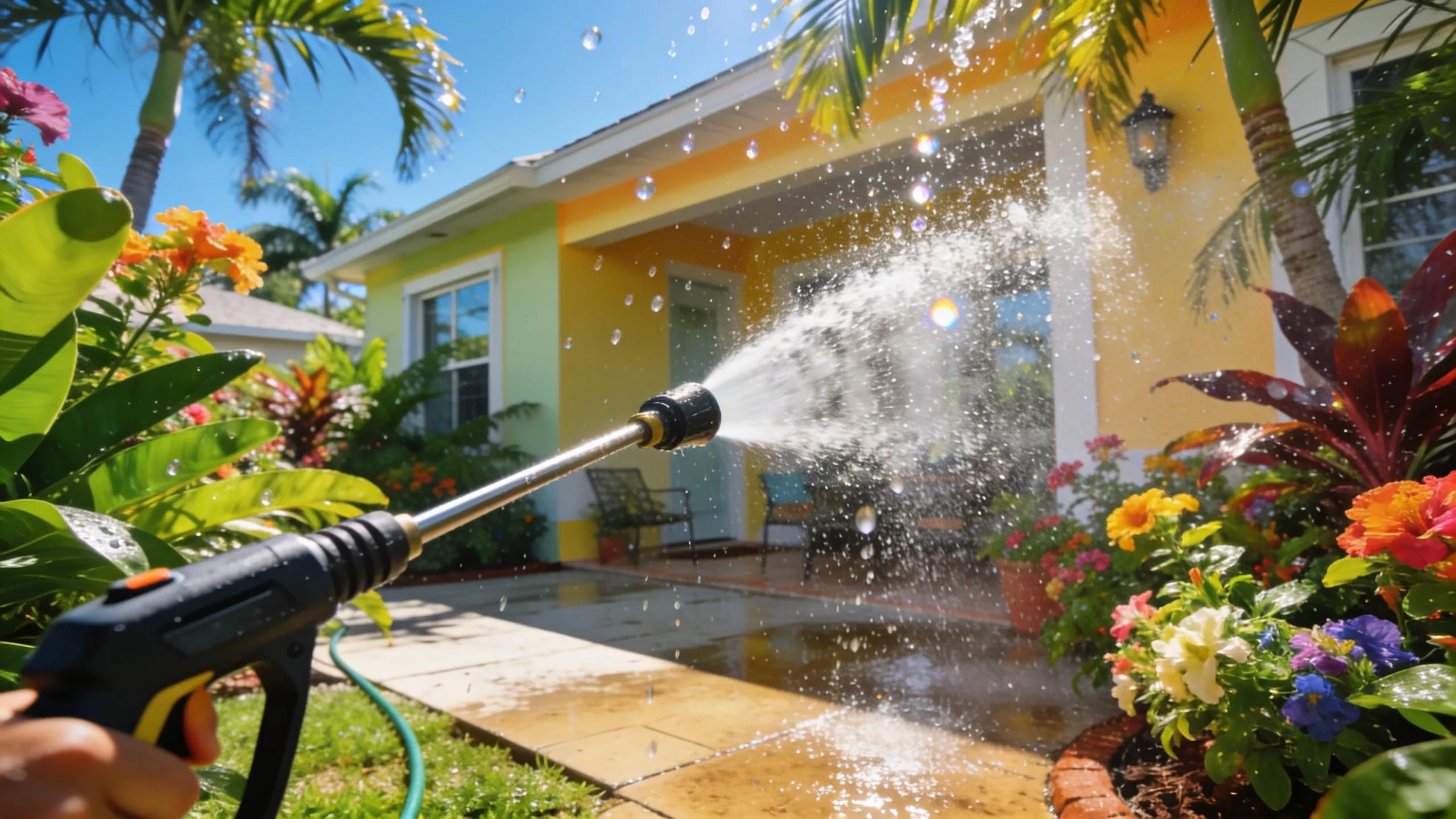
Florida’s high humidity and outdoor lifestyle make power washing a necessary maintenance service. Regular cleaning removes moisture-driven contaminants, limits mold growth, and helps avoid costly repairs over time. This article outlines why power washing matters for Florida homes and how it protects both appearance and structure.
We cover how humidity accelerates algae and mold, recommended techniques for various surfaces, the relationship between power washing and Gulf Gate Aluminum’s outdoor living products, equipment suggestions for effective cleaning, and optimal scheduling to improve durability ahead of Florida’s storms.
Key Takeaways
- Florida’s humid climate accelerates algae and mold growth, making power washing essential for home exterior maintenance.
- Regular power washing prevents structural damage by removing mold and preserving protective coatings on surfaces.
- Low-pressure washing and eco-friendly detergents protect vinyl siding and aluminum pool cages from damage.
- Scheduling power washing in spring, fall, and after storms optimizes mold prevention and surface durability.
- Power washing maintains Gulf Gate Aluminum’s outdoor products by preventing rust, corrosion, and aesthetic deterioration.
- Soft washing suits delicate surfaces, while standard power washing effectively cleans sturdy materials like concrete and brick.
- Using adjustable pressure washers, specialized nozzles, and eco-friendly detergents ensures effective and safe cleaning.
- Routine power washing enhances hurricane resilience by reducing moisture retention and preventing mold buildup on exteriors.
How Does Florida’s Humid Climate Affect Home Exteriors and Why Is Power Washing Necessary?
Florida’s combination of heat and humidity encourages rapid growth of algae, mold, and other contaminants on exterior surfaces. These organisms adhere to walls, roofs, and driveways and, if unchecked, can lead to material deterioration. Power washing addresses these issues directly, making it a practical maintenance priority rather than a purely cosmetic task.
What Role Does Algae and Mold Growth Play in Exterior Surface Damage?
Algae and mold thrive in Florida’s conditions and affect both appearance and structural soundness. Algae produces visible staining; mold can penetrate porous materials and weaken them over time. Regular power washing removes these organisms and helps preserve building materials and curb appeal.
How Does Regular Power Washing Prevent Premature Exterior Deterioration?
Consistent power washing restores appearance and extends the service life of exterior materials. Routine cleaning preserves protective coatings, limits moisture-related decay, and reduces the likelihood of expensive repairs caused by long-term neglect.
What Are the Best Power Washing Practices for Maintaining Florida Home Surfaces?
Appropriate power washing techniques vary by surface. Applying the correct pressure, detergents, and methods prevents damage while delivering effective cleaning. A planned maintenance routine increases material durability against Florida’s climate.
Which Residential Pressure Washing Tips Protect Vinyl Siding and Aluminum Pool Cages?
To protect vinyl siding and aluminum pool cages during power washing, homeowners should adhere to the following tips:
- Utilize Low Pressure: Vinyl siding can warp under excessive pressure, so using a lighter setting is crucial.
- Eco-friendly Detergents: Select environmentally safe cleaning solutions that effectively combat mold without harming plants.
- Detailing Techniques: Scrubbing with a non-abrasive brush in conjunction with power washing can help dislodge stubborn dirt and algae.
Applying these precautions protects delicate materials while delivering a thorough clean, preserving both appearance and long-term performance.
How Should Homeowners Schedule Power Washing for Optimal Mold and Mildew Prevention?
Optimal scheduling for power washing in Florida depends largely on the seasons and humidity levels. Homeowners should consider the following guidelines:
- Spring and Fall: Power washing at these times can clear away accumulated dirt and prepare surfaces for the summer rain and mold growth.
- After Heavy Storms: Prompt washing post-storm can help eliminate debris and prevent mold establishment.
- Regular Maintenance: A bi-annual or quarterly washing schedule could be beneficial to consistently manage mold and dirt.
Following a seasonal schedule reduces mold risk and helps maintain surface integrity across Florida’s variable weather cycles.
How Does Power Washing Complement Gulf Gate Aluminum’s Outdoor Living Products and Services?
Power washing helps preserve the condition and appearance of Gulf Gate Aluminum’s outdoor living products. Regular cleaning keeps aluminum pool cages, pavers, and other installations functional and attractive, protecting the homeowner’s investment.
Why Is Power Washing Critical for Pool Cage and Screening Maintenance?
Cleaning pool cages with appropriate washing methods prevents algae and mildew buildup that can accelerate corrosion and cosmetic decline. Routine washing maintains safety and appearance, reducing the need for premature repairs or replacement. For detailed maintenance guidance, see pool cage upkeep and screening services.
What Benefits Does Power Washing Provide for Pavers, Driveways, and Gutters?
Power washing offers several benefits specific to hardscape surfaces:
- Enhanced Curb Appeal: A clean driveway or paver area significantly boosts the visual appeal of a home.
- Preventative Maintenance: Regular cleaning intercepts mold growth and algae formation, safeguarding property value.
- Clear Gutters: It helps in removing debris buildup, ensuring effective drainage and preventing water damage.
These cleaning benefits preserve aesthetic value and structural performance. For related services, review options for pavers and gutters.
What Equipment and Methods Ensure Effective Mold Removal and Exterior Surface Restoration?
Successful mold removal and surface restoration rely on selecting appropriate equipment and applying correct techniques. Choosing the right tools and methods is critical to achieve thorough, safe cleaning results.
When Should Homeowners Use Soft Washing Versus Power Washing?
Use soft washing for delicate surfaces—such as roofs and painted siding—where high pressure risks damage. Soft washing combines low-pressure water with cleaning solutions to remove mold gently. Use standard power washing on robust materials like concrete and brick where deeper cleaning is appropriate.
What Are the Recommended Power Washing Tools for Florida Residential Surfaces?
The right tools improve cleaning effectiveness and safety. Recommended equipment includes adjustable pressure washers for versatility, specific nozzle types to tailor spray patterns, and biodegradable detergents that clean effectively without harming landscaping.
Using appropriate tools and products enables homeowners to maintain their property responsibly. See available options in their products and services.
How Can Florida Homeowners Maximize the Benefits of Power Washing Through Seasonal Scheduling?
Aligning power washing with Florida’s seasonal patterns ensures exteriors remain protected and visually maintained. A strategic schedule reduces contamination buildup and preserves material performance year-round.
What Is the Ideal Power Washing Schedule Considering Florida’s Humidity and Storms?
The ideal schedule for power washing involves:
- Early Spring: To prepare homes for the upcoming humidity and frequent rains.
- Before Hurricane Season: A cleaning prior to peak storm season helps prevent mold growth during heavy rainfall.
- Post-Storm Cleanings: Immediate power washing following storms helps in removing debris promptly to avoid moisture retention on surfaces.
Adopting this schedule helps protect homes from weather-related wear and supports ongoing exterior maintenance. For related measures, review hurricane protection.
How Does Routine Power Washing Improve Hurricane Protection and Exterior Resilience?
Routine power washing reduces organic buildup that traps moisture and promotes mold. Cleaner surfaces retain less water and remain structurally stronger, improving resistance to wind and heavy rain during storms.
Consistent application of these practices keeps Florida homes well-presented and better prepared to withstand weather-related deterioration.
Frequently Asked Questions
How often should I power wash my Florida home?
For most Florida homes, washing at least twice yearly—spring and fall—is a practical baseline to address humidity-driven growth. Additionally, perform cleanings after heavy storms to remove debris and reduce moisture retention.
Can power washing damage my home’s exterior?
Power washing can damage surfaces if pressure and technique are incorrect. Delicate materials like vinyl or painted areas require low-pressure methods such as soft washing. When in doubt, engage a professional who uses appropriate settings and tools.
Will power washing remove all types of stains and debris?
Power washing removes many common stains—dirt, grime, mold, and mildew—but certain stains like rust or oil may need specialized treatments. A qualified technician can recommend the correct approach for stubborn or specific stain types.
Are eco-friendly cleaning solutions effective for power washing?
Biodegradable, eco-friendly detergents can effectively break down algae, mold, and dirt while minimizing environmental impact. These products allow effective cleaning without harming landscaping or local waterways.
What are common signs that my home needs power washing?
Signs include visible mold or mildew stains, discolored siding, algae on roofs or driveways, and a generally dull exterior appearance. These indicators suggest it is time for a professional cleaning to restore both appearance and protection.
Is it beneficial to power wash before painting my home?
Yes. Power washing removes dirt, mold, and loose paint, improving adhesion and the longevity of a new paint job. Preparing surfaces with a thorough cleaning leads to a more durable finish.
Can I power wash my roof?
Roof cleaning with high-pressure washing is generally not recommended because it can damage shingles and cause leaks. Soft washing or professional roof-cleaning services are safer options for removing moss and algae without harming the roof structure.